
The Timeless Art of Sri Lankan Batiks

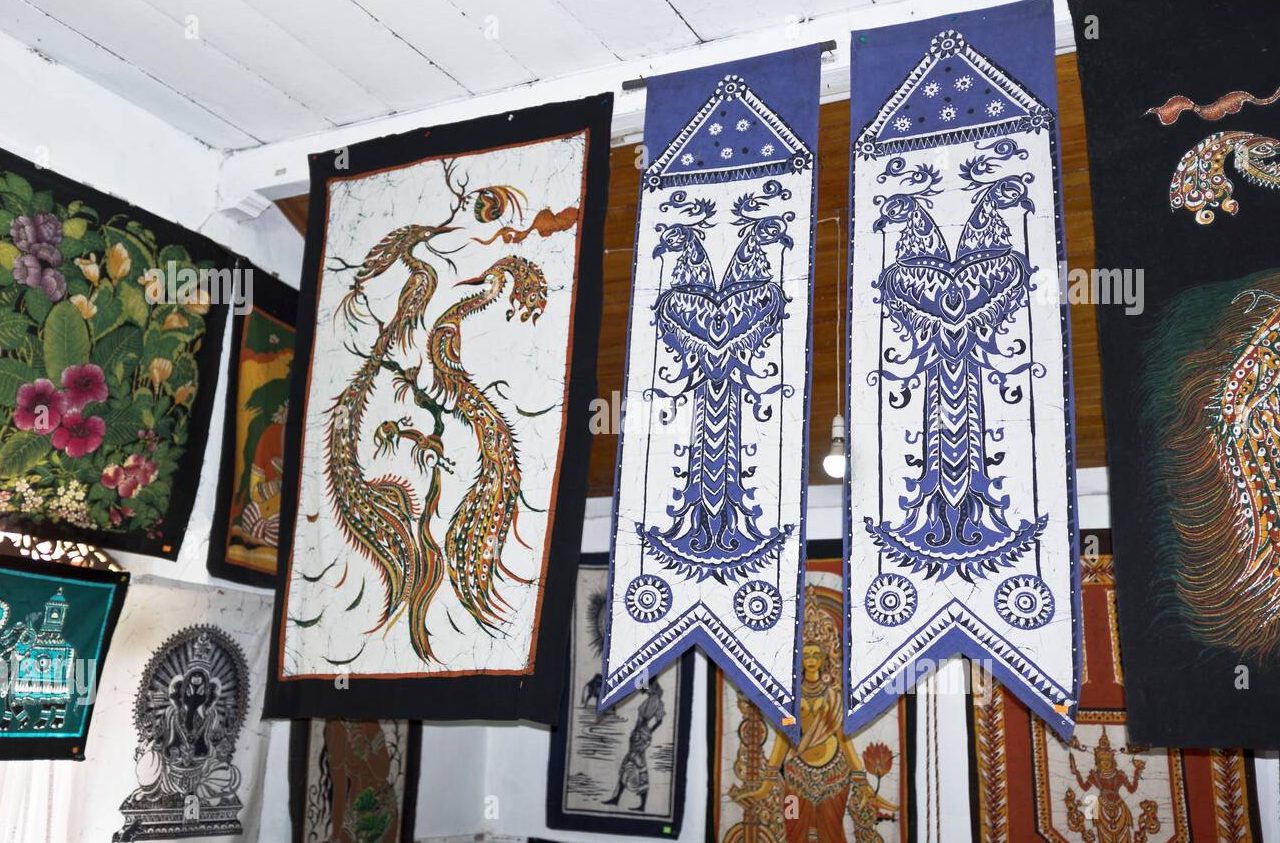
A Heritage of Color and Craftsmanship
Sri Lanka, known for its rich culture and artistry, is home to one of the most vibrant textile traditions in South Asia — batik making. This age-old craft, which marries creativity with technique, has become a symbol of both national identity and modern fashion on the island. Let’s take a closer look at the story, process, and significance of Sri Lankan batiks.
A Brief History of Batik in Sri Lanka
Though batik originated in Indonesia, it found a second home in Sri Lanka during the 19th and 20th centuries. Initially introduced by traders and travelers, the batik technique was quickly embraced by local artisans for its potential in both artistic expression and economic empowerment. Over time, Sri Lankan batik evolved into a unique art form, distinguished by its bold designs and tropical motifs.
The Batik Process: Where Art Meets Precision
Creating a batik is a labor-intensive yet beautiful process. Here’s a quick look at the key steps:
- Designing – The process begins with a hand-drawn design, often inspired by nature, cultural symbols, or abstract patterns.
- Waxing – The artist uses a tool called a tjanting or a copper stamp to apply hot wax over parts of the fabric that should resist dye.
- Dyeing – The fabric is dipped into vibrant dyes, and the unwaxed areas absorb the color.
- Boiling – The wax is removed in hot water, revealing the finished design.
- Layering – This process may be repeated multiple times to create intricate, multi-colored patterns.
The result? A one-of-a-kind piece of wearable art.
Designs Inspired by Nature and Culture
Sri Lankan batik designs are known for their rich, tropical influences. Popular themes include:
- Peacocks, elephants, and floral motifs
- Traditional Kandyan dancers and masks
- Coastal scenery, palm trees, and sunsets
- Abstract geometric and tribal patterns
Each piece tells a story — whether it’s cultural pride, natural beauty, or personal expression.
Where Tradition Meets Fashion
Today, batiks are more than just traditional sarongs or wall hangings. They’ve made their way into:
- Modern clothing like dresses, shirts, scarves, and skirts
- Interior décor such as cushion covers, tablecloths, and wall art
- Souvenirs and gifts for tourists looking to take a piece of Sri Lanka home
Sri Lankan fashion designers have also begun incorporating batiks into high-end collections, giving the craft a contemporary appeal while preserving its traditional roots.
Supporting Local Artisans
Buying Sri Lankan batiks is not just about owning a beautiful piece of fabric—it’s about supporting local craftsmanship. Many batik workshops are family-run or part of community development initiatives, empowering women and rural artisans across the country.
By choosing handmade batik, you’re contributing to the preservation of an age-old art and helping sustain local economies.
Where to Find Authentic Batiks in Sri Lanka
You can find batiks in various places across the island:
- Laksala and other government-run handicraft stores
- Boutiques in Galle, Kandy, and Colombo
- Workshops in areas like Koggala, Matara, and Hikkaduwa
- Online stores run by local artisans and fashion brands
In Conclusion
Sri Lankan batiks represent a harmonious blend of tradition, innovation, and artistry. Whether you’re a fashion lover, art collector, or cultural explorer, these beautiful textiles offer a glimpse into the soul of Sri Lanka. With every thread and dye, batiks tell a timeless story — one that continues to inspire and connect people across generations and continents.